

Four years ago, a three-year-old girl named Mitch-Naelle arrived at our medical clinic struggling to breathe.
She was there with her family to cheer on her older sister, Nehemie, at her preschool graduation practice—but that day, school was the last thing on anyone’s mind.
Our medical clinic’s resident doctor, Dr. Anathalie Fonrose, quickly recognized that the little girl was having a severe asthma attack. She was wheezing, in significant respiratory distress, and clearly frightened.
Dr. Fonrose was frightened, too.
Our medical team immediately placed Mitch-Naelle on oxygen, but they had a serious problem: at the time, our clinic had only a small oxygen cylinder that couldn’t provide oxygen for as long as this child might need it. Dr. Fonrose knew they needed to get her to a hospital—and quickly.
Even a few moments without oxygen were clearly difficult for Mitch-Naelle. Dr. Fonrose and a nurse rushed her to the gate, helping her father, Emanne, get her onto his motorcycle. Mitch-Naelle left for the hospital still wearing her oxygen mask.
It was a frightening moment for everyone.
Thankfully, father and daughter reached the hospital in time, and she received the treatment she so desperately needed. The very next morning, Dr. Fonrose spotted Mitch-Naelle at the graduation ceremony with her family. She was breathing comfortably and looked much better.
Thank God.
But What If It Happened Again?

A brand-new preschooler!
A few weeks later when school began again, Mitch-Naelle returned—but this time, as a first-year preschool student.
Dr. Fonrose hadn't forgotten about her.
She remembered that little face struggling for breath. She remembered running with her to the gate, knowing the oxygen keeping her stable wouldn't last. And she remembered how vulnerable it felt to know that a child needed more than the clinic could provide.
She kept returning to one question: What if this happens again?
Because next time, there might not be enough time or enough oxygen.
There were other students at Three Angels Christian Academy who had asthma, too, and Dr. Fonrose wasn’t willing to wait for another emergency to test their limited resources. The clinic needed to be better prepared.
She went to work strengthening the clinic's emergency supplies: a nebulizer, emergency medications, oxygen masks, and other potentially life-saving essentials, and she procured a larger oxygen cylinder that would be up to the task should another emergency occur.

An adorable preschool graduate!
These weren't simply additions to an inventory list. They represented the ability to respond when minutes mattered.
And Dr. Fonrose kept an especially watchful eye on her little patient. From time to time, she would leave her clinic office and walk the dozen or so yards to the schoolyard, always on the lookout for Mitch-Naelle.
On particularly hot days, she checked on her more often, reminding her to slow down and rest when she spotted her running hard around the schoolyard with her friends.
Eventually, Mitch-Naelle noticed something: Dr. Fonrose wasn't just her doctor—she was looking out for her.
And apparently, the feeling was mutual. One day, Mitch-Naelle spotted Dr. Fonrose and came running toward her, calling, “Ti Zanmi!”
“Ti Zanmi.” Little Friend.
A sweet friendship had grown out of a frightening beginning.
The Day We Had Prepared For
And then, four years later, it happened again.
This time, there was enough oxygen. There was a nebulizer. There were medications and supplies. And there were trained medical professionals who knew Mitch-Naelle's history and could begin treatment immediately.
We were ready.
And we had a medical team that knew exactly what to do.
This asthma attack was moderate at first, but knowing her history, Dr. Fonrose understood how quickly that could change. They needed to treat her promptly.
Emmane rushed to his daughter’s side after being called, but there was just one complication: their seven-year-old patient wanted absolutely nothing to do with that mask!
There was explaining, reassuring, encouraging, and negotiating.
But NOPE.
It was serious medical care, but it was also something our medical staff does every day: caring for a child as a whole person, understanding her fear, earning her trust, and finding a way forward together.
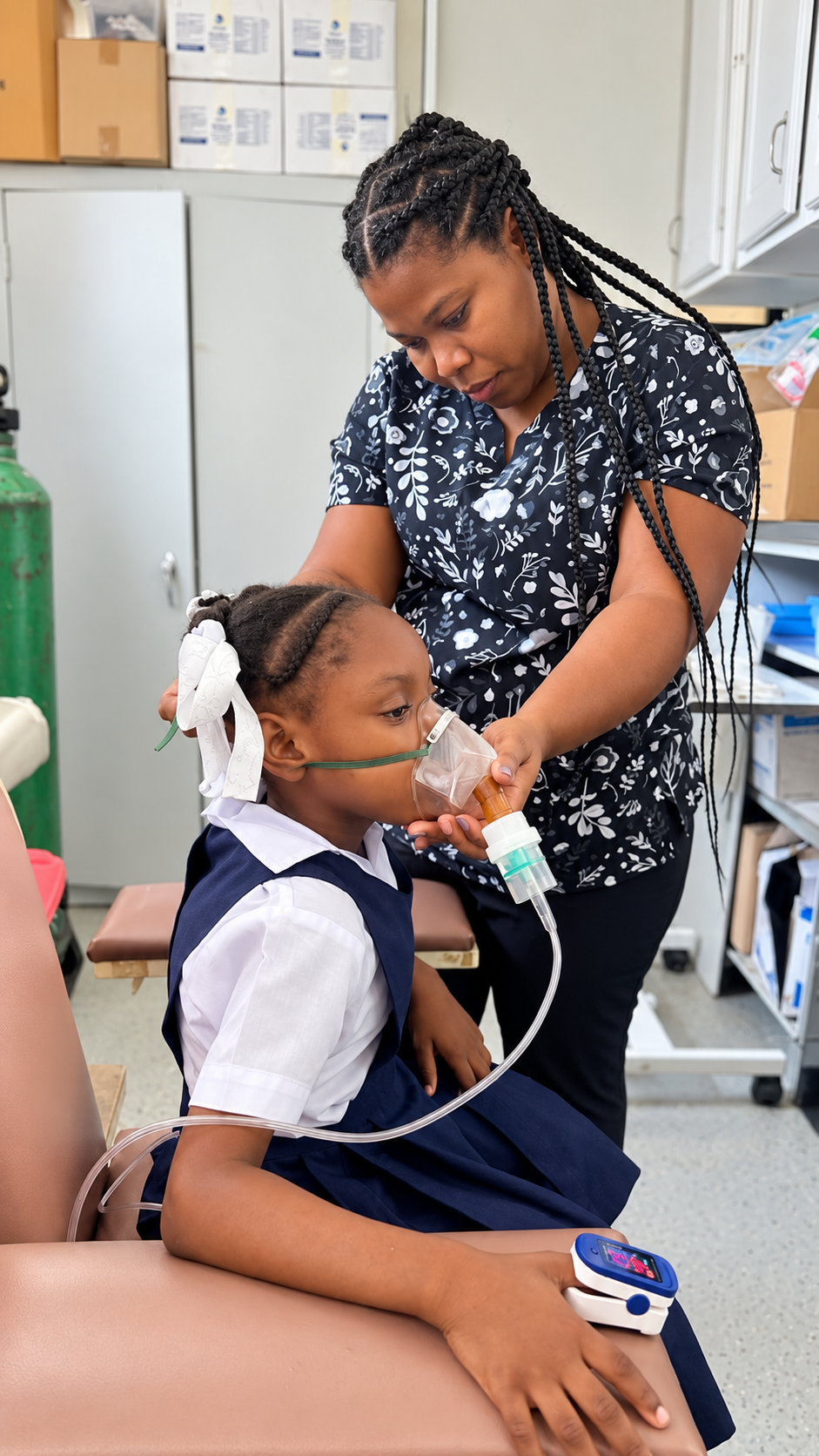
Being treated by Nurse Patricia Perard
With the help of the nurse and her father, they finally found a solution Mitch-Naelle would agree to: oxygen delivered through a small tube beneath her nose.
Emmane also brought her rescue inhaler from home, explaining that he had been keeping it there because he was concerned that she might “waste” it if she took it with her to school.
That opened the door for another important kind of care: education.
Dr. Fonrose explained how vitally important it is that a rescue inhaler be readily available for a child with asthma. An attack can happen unexpectedly—even after years without symptoms. In an emergency, immediate access to that medication can be critically important.
Mitch-Naelle ultimately received three nebulizer treatments. Slowly, her breathing improved, and her oxygen saturation returned to normal. The team continued monitoring her until they were confident that she could safely go home with her father.
And once again, Ti Zanmi's little friend was okay.
More Than Bandages and Runny Noses
It's tempting to think of our clinic as a place where the children at our school go for scraped knees, stomachaches, fevers, bandages, and runny noses—and we certainly do handle those things.
But it is much more than that. So much more!
It is also a place where a child experiencing a potentially dangerous medical emergency can receive immediate professional care.
Four years ago, when Mitch-Naelle couldn't breathe, our medical team did everything possible with the resources available. But Dr. Fonrose knew afterward that if it happened again, they needed to be able to do more.
So she made sure we were better prepared.
And then, four years later, when it happened again, there was enough oxygen. There was a nebulizer. There were medications. There were supplies. There were trained medical professionals who knew this child's history and could begin treatment immediately.
The second incident could have unfolded very differently if we had not been better equipped.
In a true emergency, having the right equipment and medications already on site can mean beginning critical care immediately rather than losing precious time transporting a child elsewhere. It can make a profound difference in a child's recovery and future.

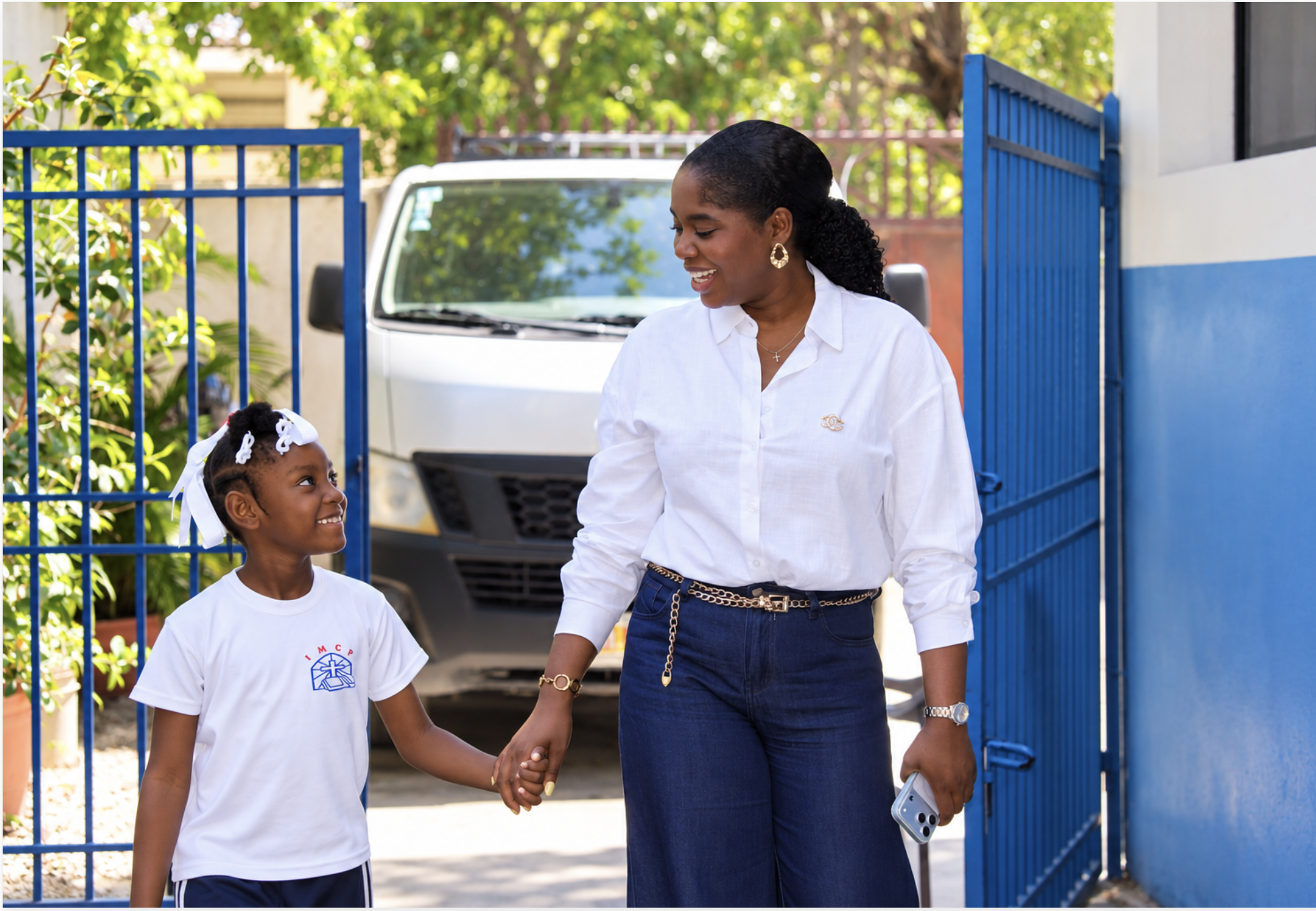
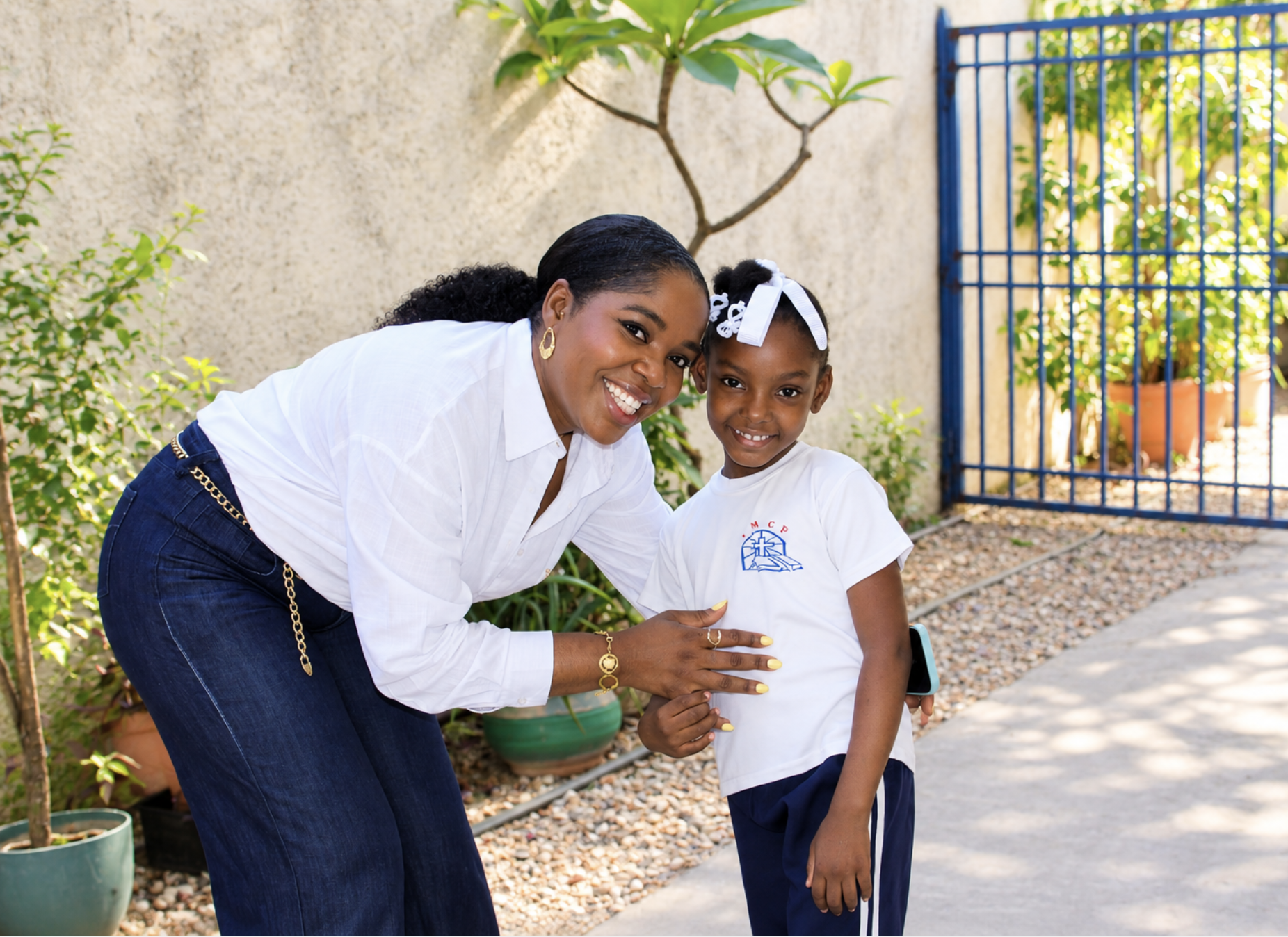
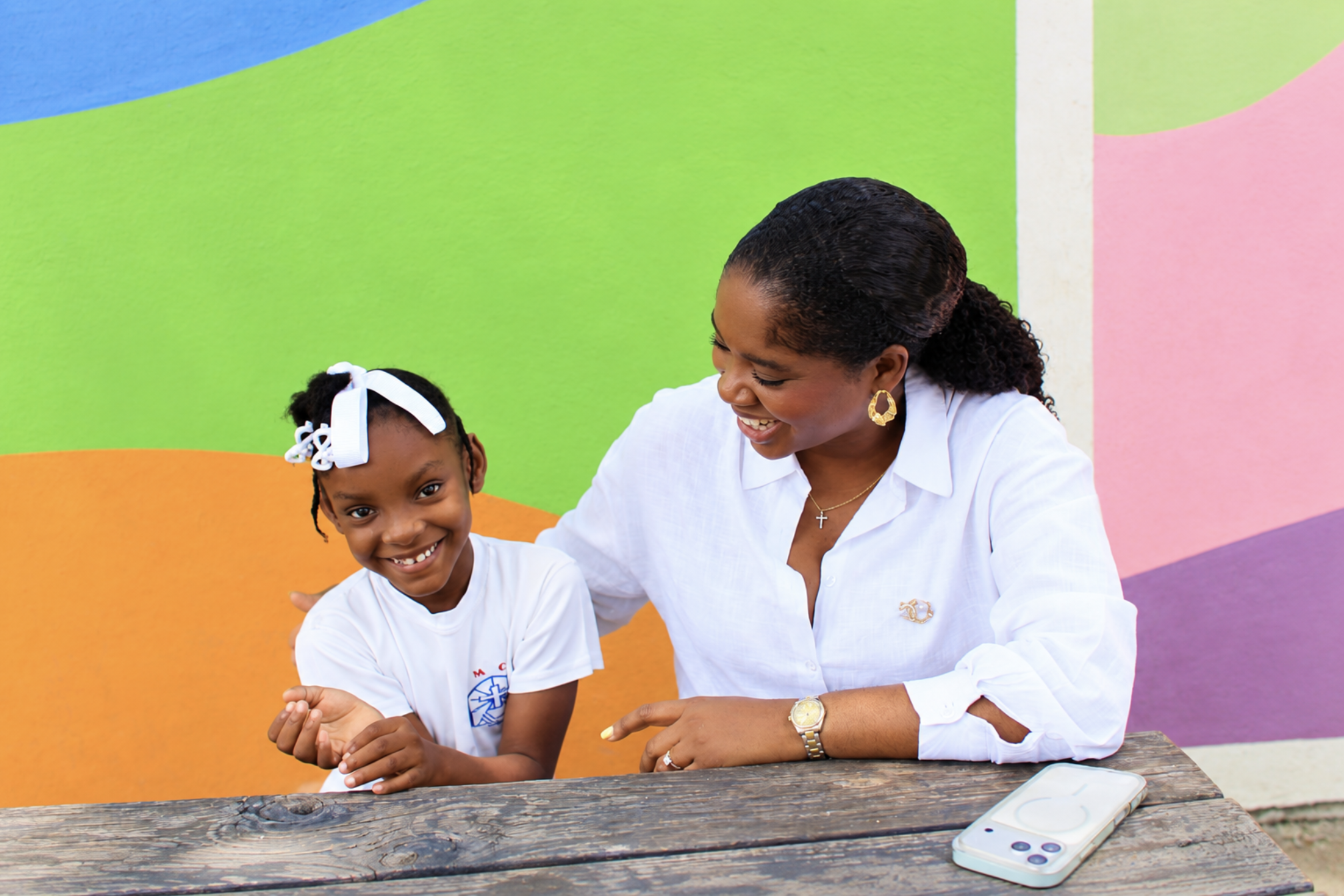
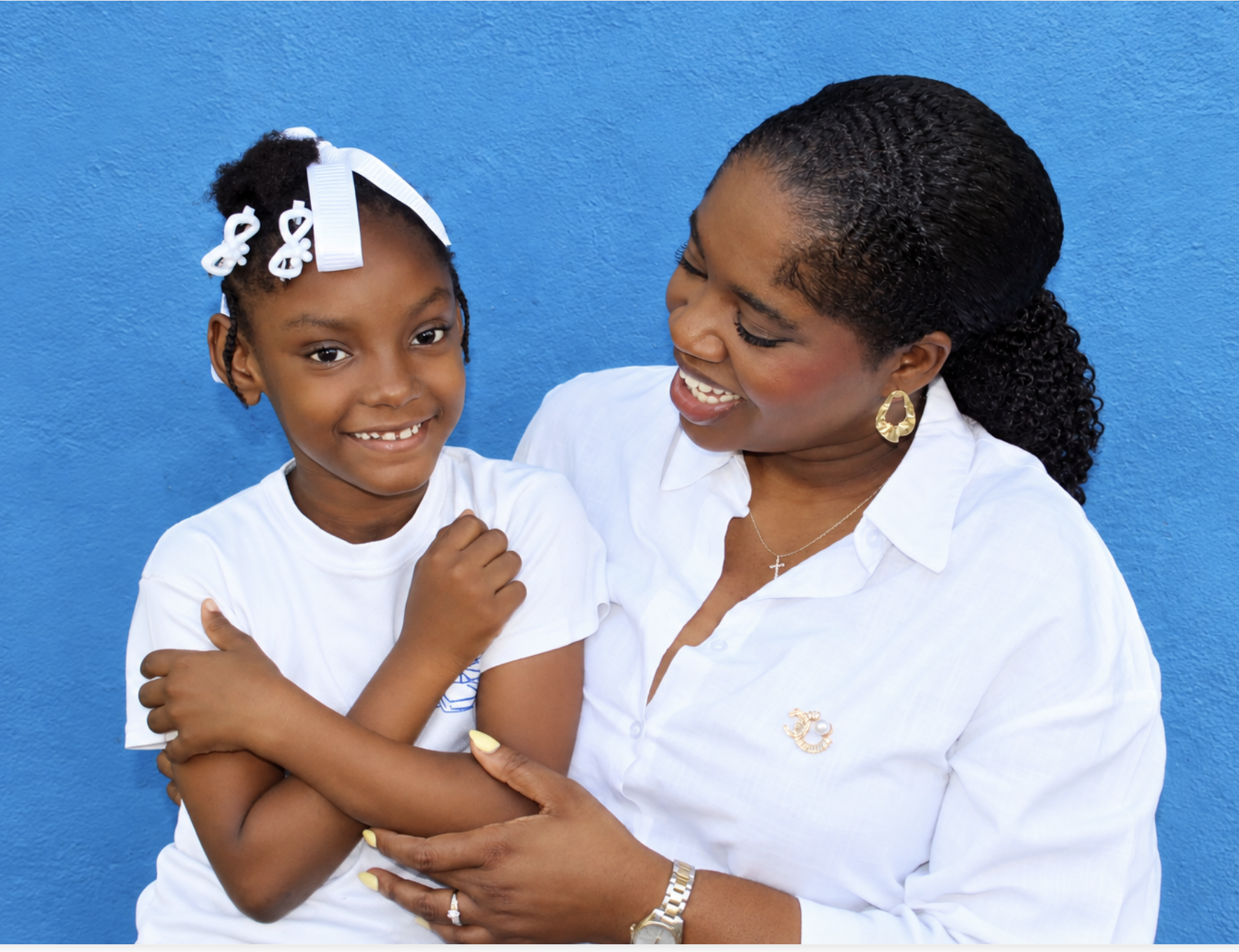
Mitch-Naelle today, healthy and thriving!
Behind every oxygen cylinder, nebulizer, medication, mask, and piece of emergency equipment is a child who may one day need it.
But this story is about something more than equipment: it's about people.
It's about a doctor who was scared when a three-year-old couldn't breathe, and who turned that fear into action so that the clinic would be better prepared the next time.
It's about a nurse who immediately knew what to do when that next time finally came.
It's about a father who rushed his daughter to the hospital once and, years later, stood alongside the medical team administering the treatment she needed.
And it's about a little girl who somehow noticed, among all those medical checkups and reminders to stop running quite so hard in the heat, that her doctor wasn't simply watching her asthma.
She was watching over her.
Her Ti Zanmi.
Today, Mitch-Naelle is growing, learning, playing and becoming more independent. And her Ti Zanmi is still here.
Perhaps that's one of the most beautiful things about having a clinic right here on our school campus: our medical staff doesn't simply meet children in moments of illness or emergency. They know them. They care about them. They watch them grow.
And when the unexpected happens, they are here, ready to care for the children they already know and love.

Learn more about Three Angels’ Medical Program HERE.